Evaporative Cooling for Data Centers — Pros and Cons
Evaporative Cooling for Data Centers — Pros and Cons
Managing cooling systems in data centers is a delicate balance of efficiency, cost, and sustainability. Evaporative cooling for data centers has been gaining popularity due to its ability to address water scarcity issues in certain regions while maintaining high cooling performance. But does it come with any trade-offs? Let’s explore its advantages and disadvantages.
Table of Contents
- What’s key factors when choosing evaporative cooling system for a data center?
- How to verify manufacturer of evaporative cooling systems from China?
- How to test the evaporative cooling capacity?
- Conclusion
What’s key factors when choosing evaporative cooling system for a data center?
Selecting a suitable evaporative cooling system for your data center can make or break its efficiency. Each facility has unique needs depending on local climate, water availability, and energy consumption.
What matters most?
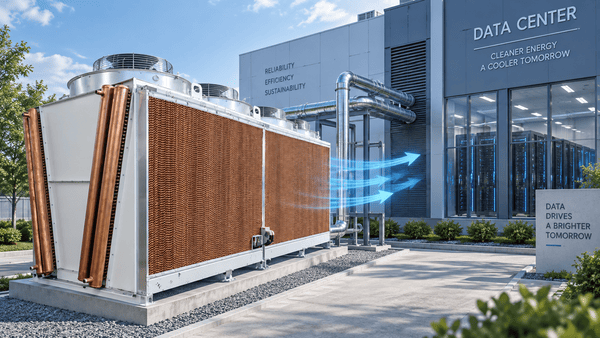
The key factors to consider include location climate compatibility, maintenance requirements, water usage efficiency, and power consumption. These will impact how well the cooling system performs long-term.
Dive deeper: Features to evaluate
-
Climate compatibility
Evaporative cooling relies heavily on low humidity levels. It’s ideal for dry environments but less effective in humid regions. Check if your data center’s geographic conditions align with the cooling technology. -
Water usage efficiency
While it solves water scarcity issues by recirculating water, it’s important to ensure efficient consumption. Compare systems with water-saving features or certifications that support sustainability. -
Energy consumption trade-off
One downside of evaporative cooling is high power usage due to fan systems and pumps staying active. Make sure the potential electricity cost impact is manageable for your operational budget. -
Ease of maintenance
Frequent maintenance is critical in preventing efficiency losses over time. Look for systems with durable materials and easy-to-clean components.
When in doubt, consulting an HVAC specialist with experience in data centers can simplify the decision process.
How to verify manufacturer of evaporative cooling systems from China?
If you’re sourcing an evaporative cooling system from China, ensuring the credibility and reliability of the supplier is crucial. The manufacturing landscape in China varies widely, and identifying trustworthy partners requires a methodical approach.
What’s the best approach?
Always verify certifications, product warranties, client reviews, and factory inspection reports. These measures will help ensure the manufacturer meets your quality standards.
Dive deeper: Steps to verify manufacturers
-
Check certifications
A reliable manufacturer should comply with international HVAC standards, such as ISO 9001 for quality management. Always request copies of relevant certifications. -
Ask about warranty policies
Transparent warranty terms show the company’s confidence in its product. Confirm both warranty duration and coverage details. -
Review past client references
Ask for testimonials or case studies from previous buyers—especially from industries similar to your data center. -
Organize a factory audit
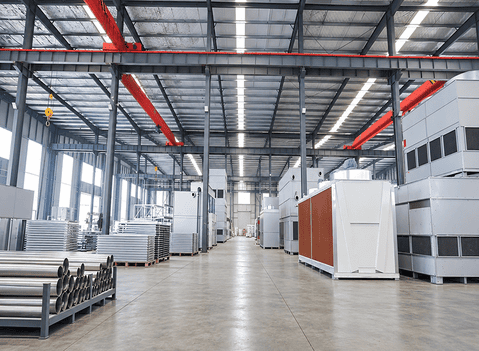
Arranging an onsite factory inspection (either by a third-party team or yourself) can reveal the production quality and adherence to promised standards.
Remember, don’t rush into a deal and compromise quality. Take time to vet the supplier thoroughly.
How to test the evaporative cooling capacity?
Once your evaporative cooling system is installed, verifying its cooling capacity ensures it functions as intended under peak loads. Proper testing can prevent operational disruptions down the line.
How do you measure this?
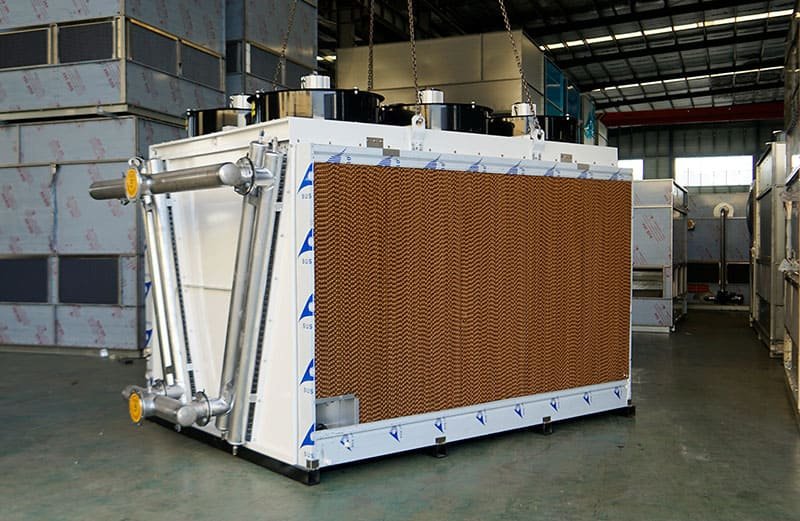
Testing involves measuring airflow rates, temperature changes, and evaporation efficiency under simulated data center conditions. It’s best performed using specialized testing equipment.
Dive deeper: Core steps to follow
-
Simulate data center conditions
Replicate typical server rack heat loads in the testing environment to observe performance changes under real-world scenarios. -
Measure airflow rates
Use an airflow meter to ensure the system delivers consistent ventilation levels. Compare readings to operational benchmarks provided by the manufacturer. -
Test temperature gradients
Record room temperatures before and after cooling alongside the evaporation phase. A substantial drop indicates proper functioning. -
Evaluate durability
Run tests in extended operating periods to assess system reliability and identify any signs of strain.
A professional HVAC technician can guide the testing process and help analyze the data accurately.
Conclusion
Evaporative cooling for data centers combines sustainability and performance by addressing water shortages. Yet, its high electrical consumption is a notable drawback. Choosing the right system depends on climate compatibility, verifying the manufacturer’s credentials, and testing capacity post-installation.
Investing in professional evaluations and audits will ensure you make the best decision for your data center. Connect with our team for tailored advice or supplier recommendations.
General Inquiry Form
Contact us for product information, project discussions, or technical support.
Leave a Reply